Renewable and Sustainable Energy Reviews 136 (2021) 110435. Open access, CC BY 4.0
Renewable and Sustainable Energy Reviews
Is the climate better served by setting forests aside or by using them more intensively? Leif Gustavsson and his team at Linnaeus University modelled the question for Kronoberg County in southern Sweden over 201 years.
Authors / institution
Leif Gustavsson, Truong Nguyen, Roger Sathre, Uniben Y. A. Tettey · Linnaeus University
Published
2020
Three forest scenarios
The business-as-usual scenario mirrors today's forestry. In the production scenario, forest productivity rises by 40 per cent through more intensive management. In the set-aside scenario, 50 per cent of the forest land is reserved for conservation. The model covers forest carbon, the use of wood in construction and the use of harvest residues for energy.
For the first 30 to 35 years, the set-aside scenario has lower emissions. After that the production scenario leads, and by the end of the period its emission reduction is about ten times the initial benefit of setting forests aside. After roughly 80 years, the set-aside scenario even has higher emissions than business as usual.
In the long run, active forestry with high harvest and efficient utilisation of biomass for replacement of carbon-intensive non-wood products and fuels provides significant climate mitigation.
Modular timber buildings have the largest effect
The greatest reduction is achieved when biomass replaces coal and when modular timber buildings are built instead of concrete ones. Harvesting more slash and stumps also improves the balance, because more fossil fuel is replaced.
How Timber Carbon sees it
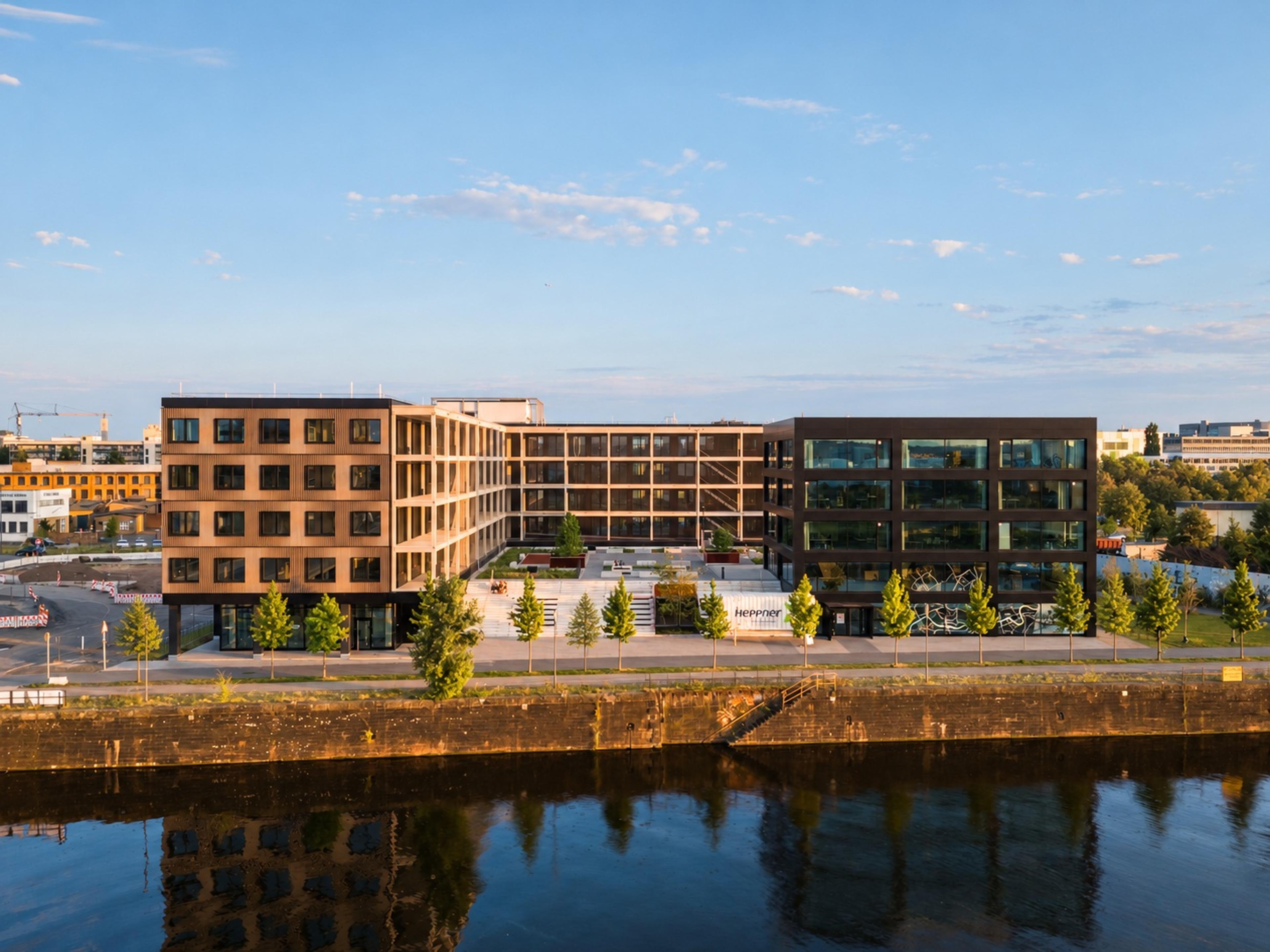
The study shows that the climate effect of forests depends on how the wood is used. Long-lived timber buildings keep carbon out of the atmosphere for decades and replace high-emission materials. The page Build biobased explains how developers can make use of this effect.
Full reference: Gustavsson, L., Nguyen, T., Sathre, R., & Tettey, U. Y. A. (2021). Climate effects of forestry and substitution of concrete buildings and fossil energy. Renewable and Sustainable Energy Reviews, 136, 110435. Available online since 8 October 2020. Open access under CC BY 4.0.
Topics