UNECE, ECE/TIM/SP/62, Geneva 2024
United Nations Economic Commission for Europe
Cement and steel production causes about 2.2 gigatonnes of CO₂e a year. The UNECE policy guidelines are aimed at policymakers and decision-makers and show what role wood from sustainable forestry can play in urban construction.
Authors / institution
United Nations Economic Commission for Europe (UNECE) · Forests and Forest Knowledge for Resilient, Low-Carbon Urban and Rural Communities
Published
2024
Wood as a material for cities
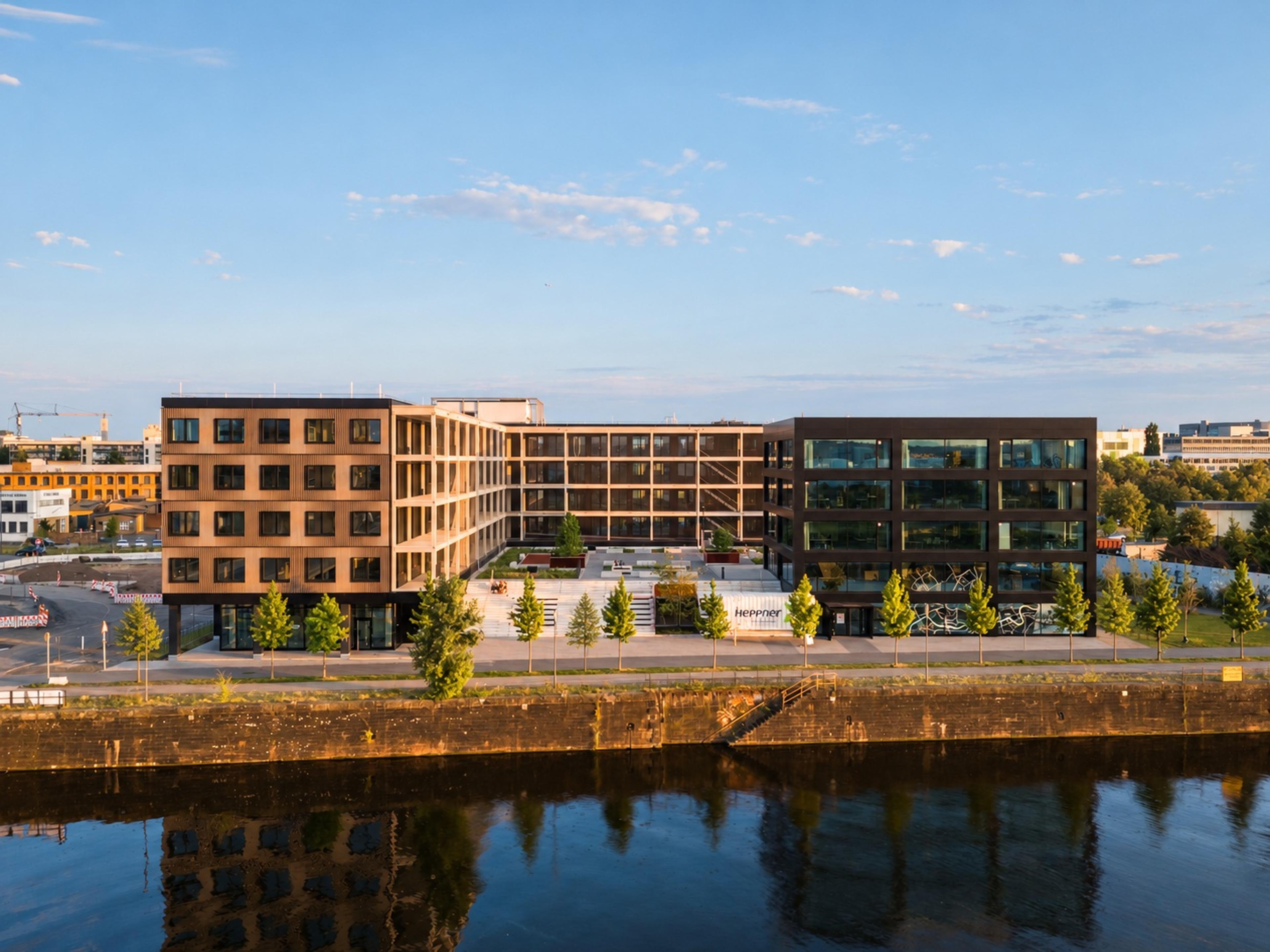
From cradle to gate, wood has a negative carbon footprint because it takes up more carbon than its production emits. According to UNECE, modern timber structures also perform well on durability, seismic resistance and energy efficiency. Their low weight suits vertical extensions, conversions and sites with limited load-bearing capacity.
At the same time, the brief stresses that building less and reusing existing buildings come first. Only where reuse is not feasible should alternatives such as wood replace high-emission materials.
The policy brief concludes that sustainably grown and sourced wood offers a compelling solution for transforming urban construction.
Four fields of action
The guidelines recommend updating building codes to address embodied emissions and life-cycle performance and to clarify fire safety. They add incentives such as green public procurement and green mortgages, investment in education and standardisation of modular timber construction, and a database on the use of low-carbon materials. The publication was produced in a project funded by Switzerland.
How Timber Carbon sees it
The guidelines name financial incentives as one lever for more timber in cities. Carbon removal credits are such an incentive: they turn the carbon removed by a timber structure into value for the developer. The Build biobased page explains how.
Full reference: United Nations Economic Commission for Europe (2024). Policy guidelines: Low carbon construction in cities. Reducing construction's carbon footprint with sustainable wood products. ECE/TIM/SP/62, Geneva.
Topics