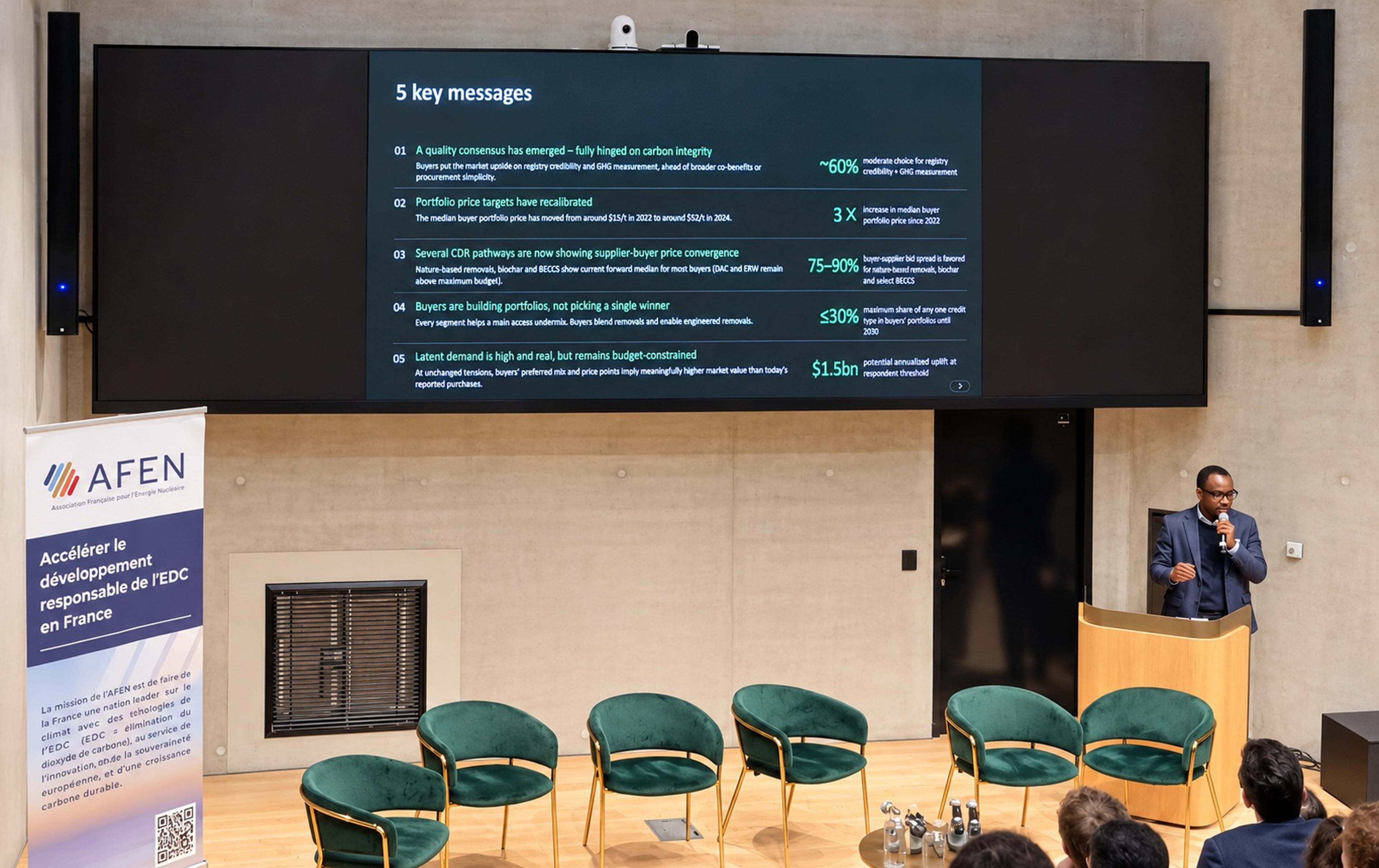
Swiss Conference for Forest, Wildlife and Landscape, Bern, 6 June 2024 (in German)
Konferenz für Wald, Wildtiere und Landschaft (KWL)
On 6 June 2024, the plenary assembly of the Swiss Conference for Forest, Wildlife and Landscape (KWL) adopted a position paper on the climate effect of forests and wood. In this German-language paper, the conference of cantonal directors addresses the forest sink, wood use and the credit market.
Authors / institution
Konferenz für Wald, Wildtiere und Landschaft (KWL), Plenarversammlung vom 6. Juni 2024
Published
2024
The three S
KWL aims for a combination of sequestration in the forest, long-term retention of carbon in wood products and substitution of high-emission materials and fuels. While growing, one cubic metre of wood removes about one tonne of CO₂ from the air on average. Harvested wood should be used for high-value purposes first, following the cascade principle.
KWL is critical of a pure forest sink created by setting forests aside. Compared with other European countries, Switzerland already has very high growing stocks. Ageing forests would become less resilient to drought and damage and could locally turn into CO₂ sources.
This is why the view is gaining ground in Switzerland and abroad that sequestration combined with retention in products, linking the forest and the wood product pools, is the most efficient contribution of forests and wood to the CO₂ question.
Credits and domestic compensation
For sales of carbon credits on the voluntary market, each project should be checked for compatibility with forest policy goals. KWL expects that, under the reduction path of the Swiss Climate Act, compensation will increasingly have to take place in Switzerland. All parts of the value chain should share in the additional revenue.
How Timber Carbon sees it
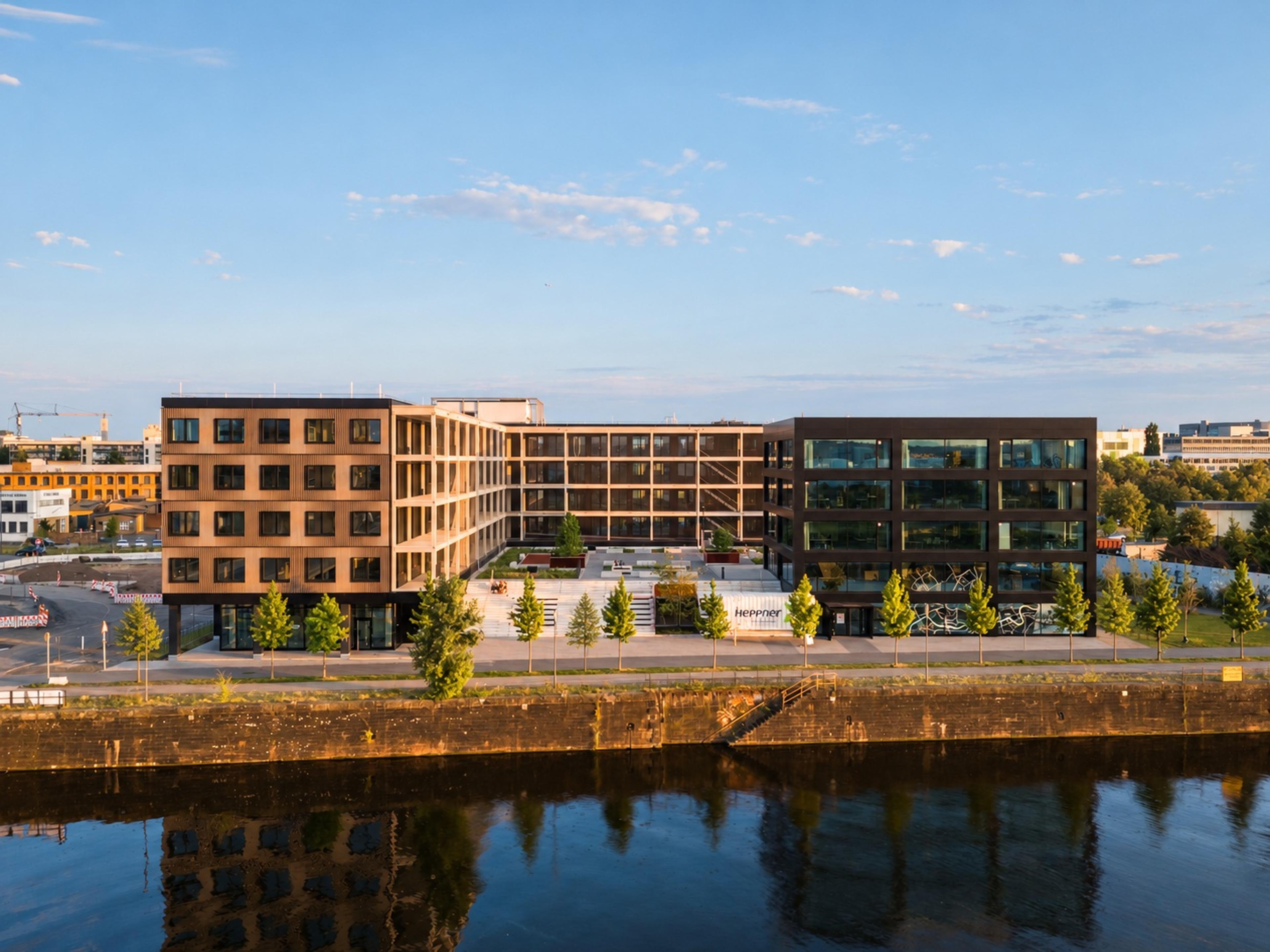
The position paper supports making use of, and paying for, the carbon removed by wood in long-lived buildings. Timber Carbon focuses on the structure of buildings, where the carbon remains longest. More on the Technology page.
Full reference: Konferenz für Wald, Wildtiere und Landschaft KWL (2024). Positionspapier Klimaschutzwirkung von Wald und Holz. Adopted by the plenary assembly on 6 June 2024, Bern (in German).
Topics