Sustainability 14(2), 2022, 758. Open access, CC BY
Sustainability (MDPI)
The global building stock is projected to double over the next 40 years. A team led by Rachel Pasternack of The Nature Conservancy presents the Global Mass Timber Impact Assessment and reviews what is known about the effects on climate and forests.
Authors / institution
Rachel Pasternack, Mark Wishnie, Caitlin Clarke, Yangyang Wang, Ethan Belair, Steve Marshall, Hongmei Gu, Prakash Nepal, Franz Dolezal, Guy Lomax, Craig Johnston, Gabriel Felmer, Rodrigo Morales-Vera, Maureen Puettmann, Robyn Van den Huevel · The Nature Conservancy u. a.
Published
2022
Lower emissions in construction
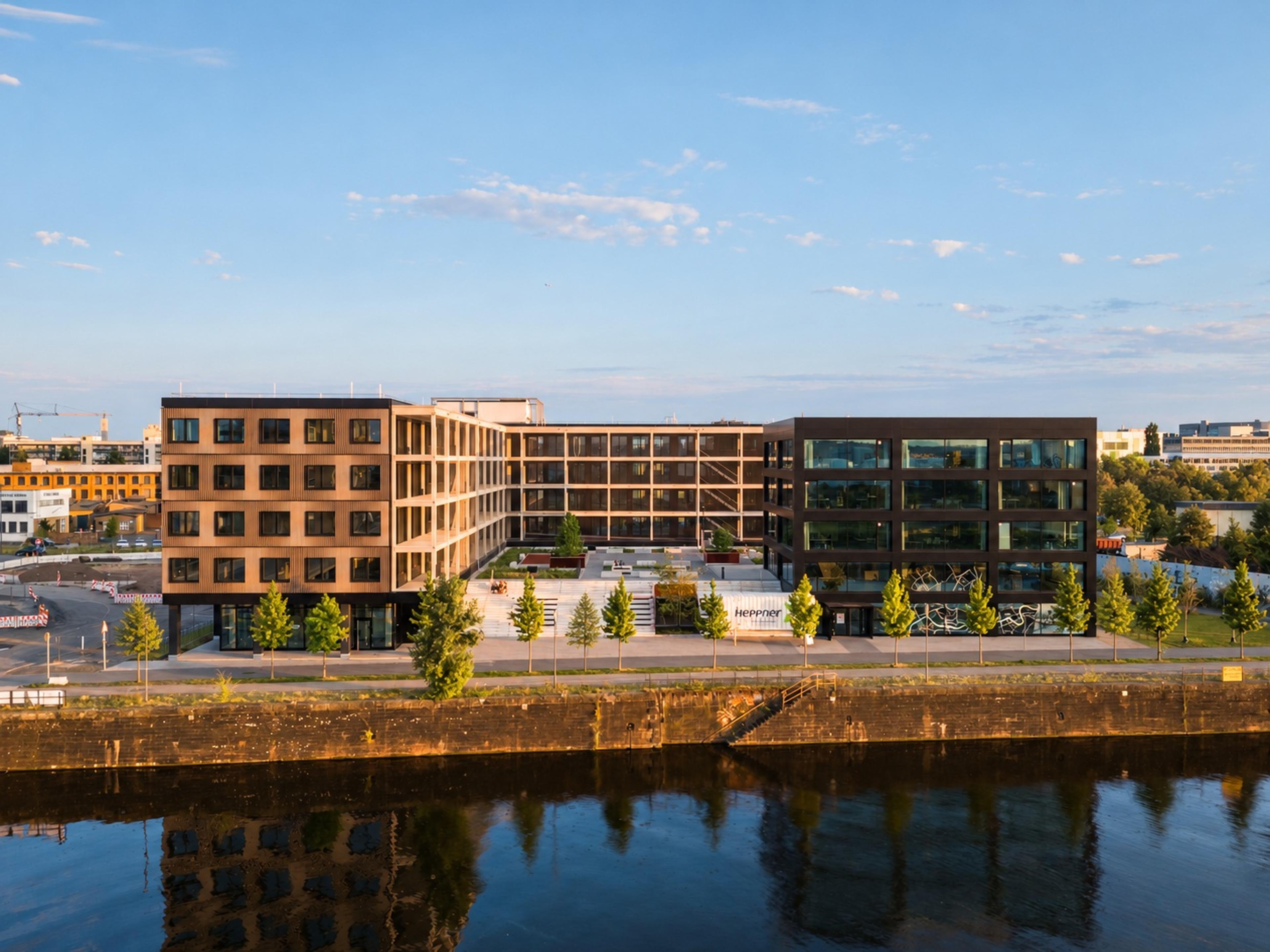
Concrete and steel together account for about 11 per cent of annual global greenhouse gas emissions. Several studies find that mass timber in mid-rise buildings reduces emissions from manufacturing, transporting and installing materials by 13 to 26.5 per cent. In 2018, Europe held about 60 per cent of the global mass timber market, and 576 projects were built or under construction in the US.
For forests, both directions are possible: more growth, regeneration and a lower wildfire risk, or unsustainable harvest intensity and rotation lengths. What matters is how the additional demand is managed.
Mass timber could help cut building emissions, but its effect on forests depends on how demand is managed.
A five-phase programme
The Global Mass Timber Impact Assessment examines demand, emissions and forest impacts across world regions in five phases. Partners alongside The Nature Conservancy include the U.S. Forest Service, the Austrian IBO, the University of Exeter and universities in Chile.
How Timber Carbon sees it
The study makes clear that the climate benefit of mass timber depends on responsible forest management. Timber Carbon takes the origin of the wood into account in its quantification. More on the Technology page.
Full reference: Pasternack, R., Wishnie, M., Clarke, C., Wang, Y., Belair, E., Marshall, S., Gu, H., Nepal, P., Dolezal, F., Lomax, G., Johnston, C., Felmer, G., Morales-Vera, R., Puettmann, M., & Van den Huevel, R. (2022). What Is the Impact of Mass Timber Utilization on Climate and Forests? Sustainability, 14(2), 758. Open access under CC BY.
Topics